








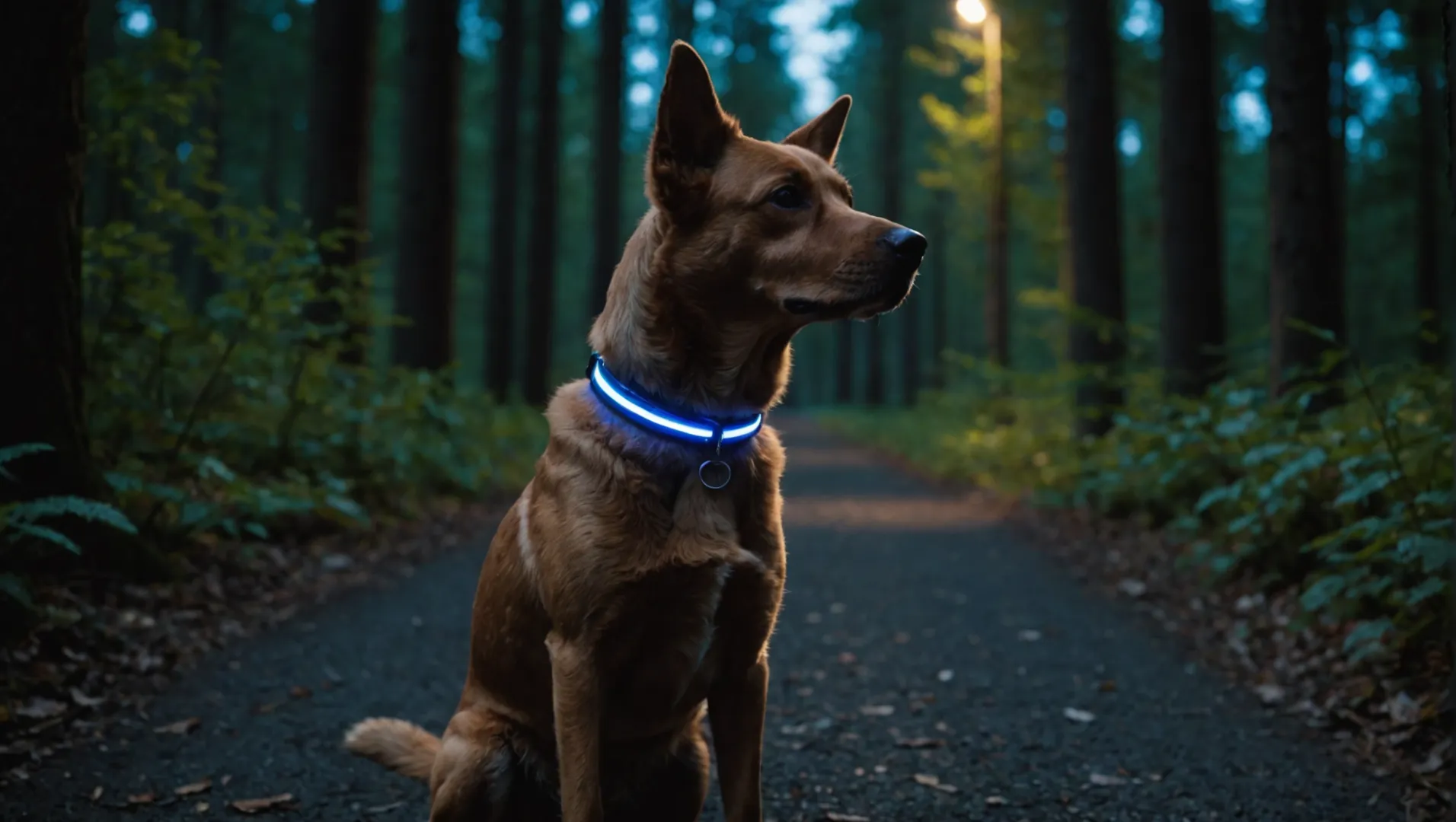
Thinking about getting a flashy collar for your pup? Let’s dig into the safety of these dazzling accessories.
Flashing dog collars, especially those with LED lights, are generally safe for dogs’ eyes. However, they can cause discomfort or disorientation if used in flashing modes, particularly for dogs with epilepsy. Steady light options are recommended to minimize any risks.
But there’s more to consider than just the sparkle! Let’s explore how these collars work, their benefits, and how you can use them safely for your beloved pet.
Flashing dog collars are safe for all dogs.False
Flashing lights can trigger seizures in epileptic dogs; steady modes are safer.
What Are the Benefits of Using LED Dog Collars?
LED dog collars are more than just a trendy accessory; they offer practical benefits for pet safety.
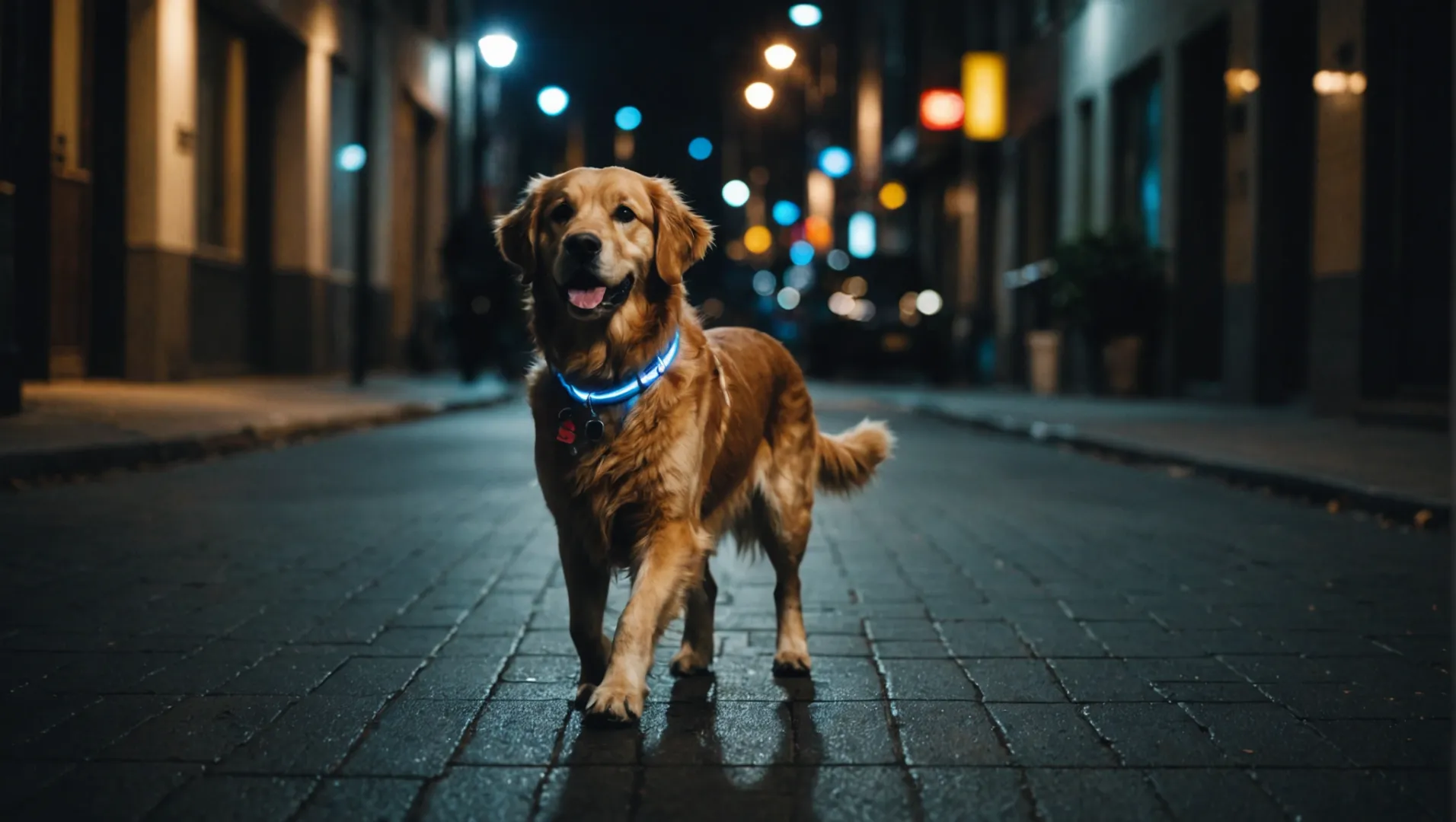
LED dog collars enhance nighttime visibility, significantly reducing the risk of accidents. They ensure your dog is easily seen by drivers, cyclists, and other pedestrians, providing peace of mind during evening walks.
Enhanced Visibility for Safety
One of the primary benefits of using LED dog collars is the enhanced visibility they provide. During nighttime or in low-light conditions, these collars make your dog stand out, ensuring they are easily seen by drivers, cyclists, and other pedestrians. This visibility greatly reduces the risk of accidents, particularly in busy urban environments where traffic and distractions abound.
Versatility in Design and Functionality
LED collars come in a variety of designs and functionalities. Some feature multiple lighting modes, including steady light and various flashing options. While the flashing mode can draw extra attention, it’s crucial to consider your dog’s comfort and any potential health concerns, such as epilepsy, as mentioned in Flashing Lights and Seizures1.
Durability and Weather Resistance
Quality LED collars are built to withstand the elements. Many are water-resistant or waterproof, making them suitable for use in rainy conditions or during playful romps in puddles. Durability ensures that these collars will last through seasons of regular use.
| Feature | Benefit |
|---|---|
| High Visibility | Reduces accident risk by making dogs easily visible |
| Multi-mode Lighting | Customizable lighting modes for various situations |
| Weather Resistance | Suitable for outdoor adventures in all conditions |
Energy Efficiency and Sustainability
Most LED collars are designed to be energy-efficient, often using rechargeable batteries. This not only minimizes battery waste but also saves money in the long run. Eco-conscious pet owners can appreciate this aspect, knowing they are choosing a more sustainable option for their pet’s safety gear.
Ease of Use and Comfort
LED collars are generally easy to use with simple on/off switches or buttons to change lighting modes. They are designed to be comfortable for the dog, with adjustable straps and lightweight materials that prevent irritation or discomfort during wear.
By understanding these benefits, you can make an informed choice about whether an LED collar is right for your pet’s needs.
LED collars enhance dog visibility at night.True
LED collars make dogs more visible, reducing accident risks.
All LED collars are waterproof.False
Not all LED collars are waterproof; some are just water-resistant.
Can Flashing Lights Trigger Seizures in Dogs?
Flashing lights from dog collars can be more than just a visual alert; they might pose risks for some dogs.
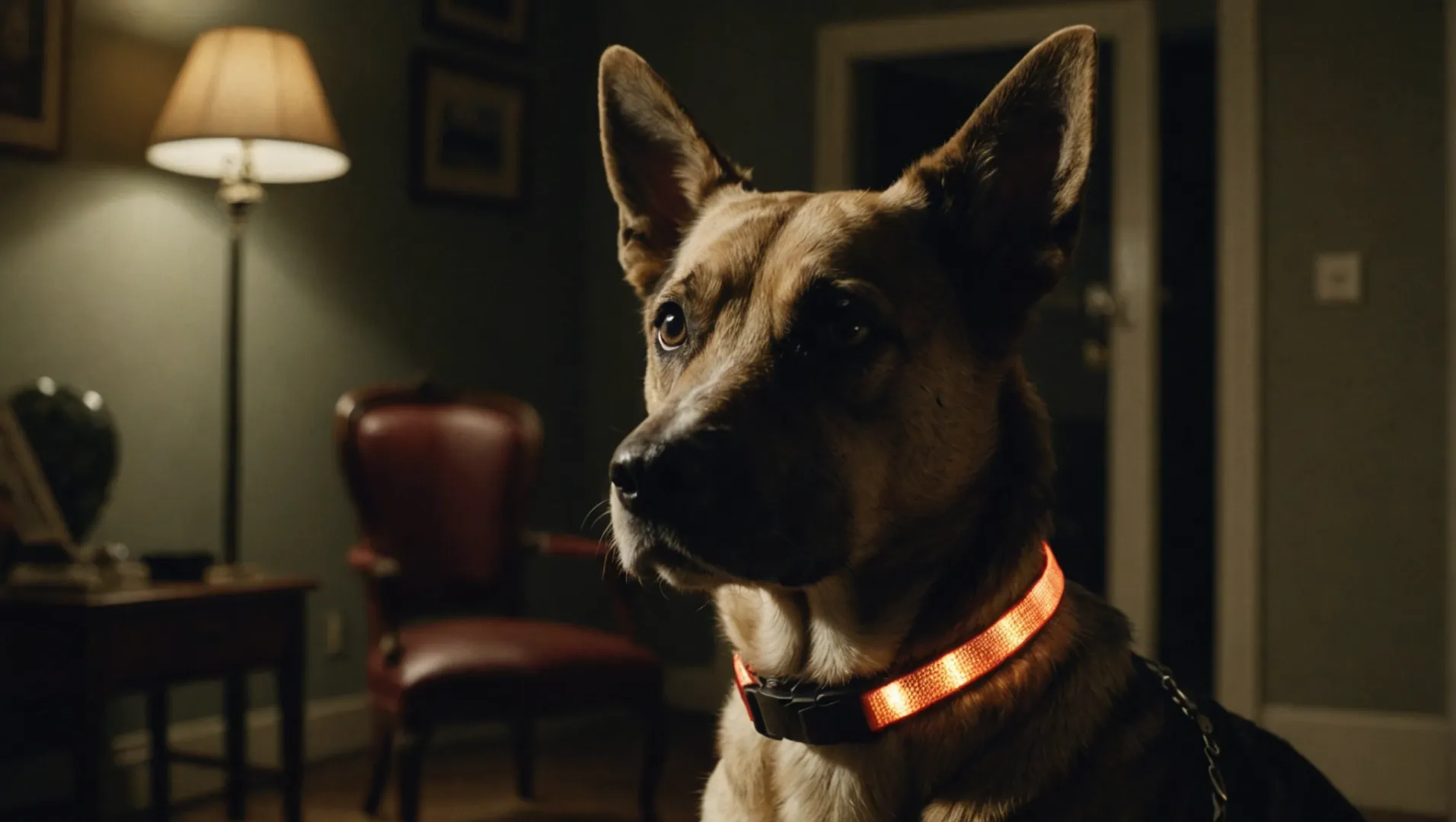
Flashing lights can indeed trigger seizures in dogs with epilepsy. It’s crucial to choose collars with steady light modes to avoid potential health risks for sensitive pets.
Understanding Canine Epilepsy and Light Sensitivity
Epilepsy is a neurological disorder that affects both humans and animals, characterized by recurrent seizures. In dogs, these seizures can be triggered by various stimuli, including flashing lights. This phenomenon, known as photosensitivity, occurs when the brain is overstimulated by visual stimuli, such as rapidly flashing lights. For dogs diagnosed with epilepsy, using collars with flashing or strobe functions might increase the risk of seizure episodes.
While not all dogs are photosensitive, those with known epileptic conditions2 should be carefully monitored. A sudden change in light intensity or frequency can serve as a trigger. It’s also worth noting that some breeds are more predisposed to epilepsy, such as Beagles and Labrador Retrievers.
How Flashing Lights Affect Dogs’ Neurological Responses
The exact mechanism by which flashing lights induce seizures is complex and involves the brain’s response to rapid visual stimuli. In photosensitive dogs, flashing lights can cause an abnormal surge of electrical activity within the brain, leading to seizures. The use of collars with flashing lights near such dogs can inadvertently exacerbate this condition.
In addition to epilepsy, dogs may experience other neurological responses to flashing lights, such as disorientation or anxiety. These responses can be temporary but are nonetheless distressing for both the dog and the owner.
Best Practices for Choosing Safe Lighting Options
To mitigate these risks, opt for collars that offer steady illumination rather than flashing modes. Some collars are designed specifically for sensitive pets and provide a constant light source without any flickering effects. Additionally, consider reflective collars as an alternative. They enhance visibility without relying on light emissions.
| Feature | Recommendation |
|---|---|
| Light Mode | Steady/Constant |
| Reflective Material | Yes |
| Durability | High-quality materials |
| Brand Recommendations | Check user reviews for safety |
Remember, the primary goal of using a lighted collar is to ensure your dog’s safety during nighttime walks. By selecting the right product, you can protect your furry friend from potential health risks while enjoying peace of mind.
Flashing lights can trigger seizures in epileptic dogs.True
Flashing lights can overstimulate the brain, causing seizures in sensitive dogs.
All dogs are affected by flashing lights on collars.False
Only photosensitive or epileptic dogs are at risk from flashing lights.
How Do Dogs’ Eyes React to Flashing Lights?
Dogs’ eyes are remarkably different from ours, raising questions about their reactions to flashing lights.
Flashing lights can cause temporary discomfort or disorientation in dogs due to their unique visual sensitivities. While not causing long-term harm, it’s essential to use steady light modes to ensure comfort, especially for dogs with known sensitivities or epilepsy.
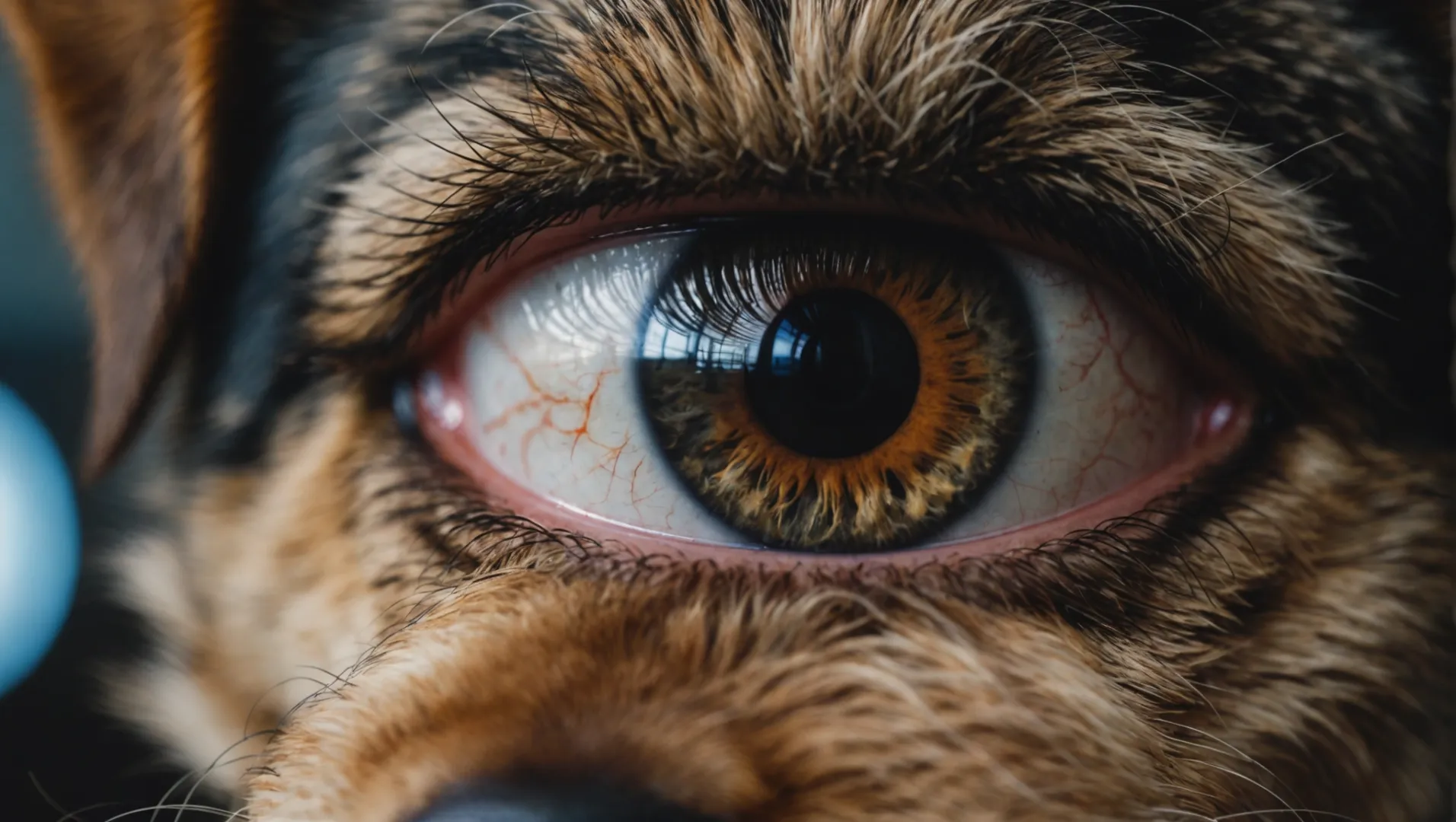
Understanding Canine Vision
Dogs perceive the world differently than humans due to their distinct visual capabilities3. Their retinas contain more rod cells, allowing them to see well in low light, but their eyes are more sensitive to movement and flicker.
Visual Sensitivity
Dogs’ eyes detect movement more efficiently, which can make them more sensitive to flashing lights. A rapidly flashing LED could be perceived as a strobe effect, potentially causing discomfort or temporary disorientation.
- Comparison Table: Human vs. Dog Visual Sensitivity
| Feature | Humans | Dogs |
|---|---|---|
| Rod Cells | Less than dogs | More than humans |
| Cone Cells | More than dogs | Less than humans |
| Flicker Fusion Rate | Around 60 Hz | Estimated around 75 Hz |
Potential Impacts of Flashing Lights
Short-term Discomfort
While there’s no conclusive evidence of long-term damage, exposure to flashing lights might cause short-term discomfort or stress. Dogs may exhibit behaviors such as pawing at their eyes or trying to avoid the light source.
Epilepsy Concerns
Flashing lights pose a significant risk for dogs with epilepsy, as they could potentially trigger seizures. It’s crucial to opt for steady illumination if your dog is susceptible to seizures or if you walk in areas where others might be affected.
Safe Usage Practices
To ensure your dog’s comfort and safety:
- Use steady light modes rather than flashing options.
- Monitor your dog’s behavior when using any illuminated collar.
- Choose quality products that offer both visibility and safety without compromising comfort.
For pet owners interested in additional safety gear alternatives, considering reflective collars or harnesses might be beneficial.
Dogs' eyes have more rod cells than humans'.True
Dogs' retinas contain more rod cells, aiding low-light vision.
Flashing lights cause long-term harm to dogs.False
Flashing lights may cause discomfort but not long-term harm.
What Features Should You Look For in a Safe Dog Collar?
Choosing the right dog collar is crucial for your pet’s safety and comfort. But what features should you prioritize?
A safe dog collar should have features like reflective materials for visibility, adjustable sizing for comfort, and secure fastening to prevent accidents. Avoid collars with flashing lights if your dog has epilepsy or other light sensitivities.

Reflective Materials for Enhanced Visibility
One of the most important features to look for in a dog collar is reflective material. This enhances your dog’s visibility during nighttime walks or in low-light conditions. Reflective collars or those with LED lighting can significantly reduce the risk of accidents by making your dog more noticeable to drivers and pedestrians. However, consider non-flashing options4 if your dog is sensitive to light.
Adjustable Sizing for Comfort
A good collar should offer adjustable sizing to ensure it fits your dog comfortably. A collar that’s too tight can cause irritation or even breathing difficulties, while one that’s too loose might slip off easily. Always check the manufacturer’s sizing guide and adjust the collar so that you can comfortably fit two fingers between the collar and your dog’s neck.
Secure Fastening Mechanisms
Collars with secure fastenings are crucial to prevent accidental escapes. Look for collars with reliable clasps, such as a buckle or a quick-release snap, which allow for easy on-and-off but remain secure during use. Additionally, double-check that the fastening mechanism is made from durable materials that won’t break easily under pressure.
Material Quality and Durability
The material of the collar should be robust enough to withstand daily wear and tear. Collars made from high-quality nylon or leather are often recommended due to their durability and comfort. Moreover, ensure that any metal components are rust-resistant to prolong the collar’s lifespan.
Safety Features for Special Needs
If your dog has special needs, such as epilepsy, it’s best to avoid collars with strobe lights or flashing features. Instead, opt for steady light options or reflective materials to ensure safety without triggering any health issues.
User Reviews and Recommendations
Reading user reviews can provide insights into a collar’s real-world performance. Trusted brands often have feedback from other pet owners regarding the collar’s safety and comfort. Brands like Blazin’ Safety5 and Nite Ize are well-regarded for offering reliable and safe options for pet visibility.
Reflective dog collars enhance nighttime visibility.True
Reflective materials make dogs more noticeable in low-light conditions.
Flashing lights on collars are safe for all dogs.False
Flashing lights can trigger issues in dogs with light sensitivities.
Conclusion
Choosing steady light collars ensures comfort and visibility for your dog. Prioritize quality products while considering individual sensitivities. Keep your furry friend safe during those nighttime adventures.
-
Learn how LED collar lights may affect dogs with epilepsy.: It’s often shown that epileptic people shouldn’t be exposed to flashing lights since it’s a known trigger. Is it the same for dogs with idiopathic epilepsy? ↩
-
Explore comprehensive details about epilepsy triggers in dogs.: The condition can be inherited (genetic or idiopathic epilepsy), caused by structural problems in the brain (structural epilepsy), or stem from an unknown cause … ↩
-
Explore the differences in visual perception between dogs and humans.: Dogs also have a wider range of vision than humans do; while humans can see roughly 180 degrees horizontally, dogs can see around 250 degrees! This gives them a … ↩
-
Discover why non-flashing collars may be safer for sensitive dogs.: This alerts the driver to the dog’s presence in low-light conditions and reduces the risk of an accident. ↩
-
Explore trusted reviews for Blazin’ Safety collars.: It is a very well made collar. The best part about this collar is the LED lights of course ! They are very bright and show up well for walking in or near … ↩