








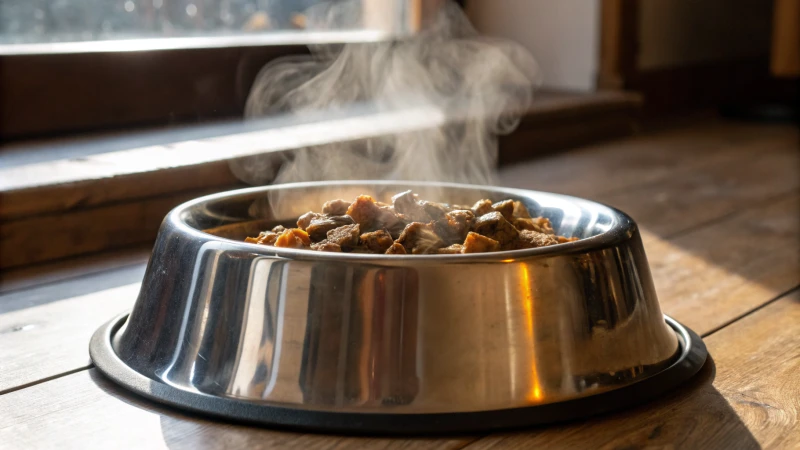
Ever wondered if it’s safe to serve your pup’s meal hot in a stainless steel bowl?
Serving hot food in stainless steel dog bowls is generally safe. High-quality stainless steel, such as food-grade 304, is non-porous and does not leach chemicals, even when exposed to heat. This makes it a healthier choice over plastic bowls, which can release harmful substances when heated.
Growing up with a house full of pets, I’ve always been on a quest to find the safest options for their care. Stainless steel bowls were a staple in our household for their durability and ease of cleaning. Yet, I often found myself wondering if it was truly safe to serve hot food in them. I learned from my vet that these bowls are indeed reliable because they don’t warp under heat or leach chemicals, unlike some plastic alternatives.
However, before you start serving hot meals to your furry friend, there are a few things to keep in mind. For instance, stainless steel is not microwave-friendly, so heating food directly in these bowls is a no-go. Also, if your dog has any allergies, especially metal ones, you might want to monitor them closely when switching to stainless steel.
Stainless steel bowls leach chemicals when heated.False
High-quality stainless steel does not leach chemicals when heated.
Plastic bowls release harmful substances when heated.True
Plastic can release harmful chemicals when exposed to heat.
Why Choose Stainless Steel for Your Dog’s Bowl?
Ever wondered why stainless steel dog bowls are a favorite among pet owners? Let me tell you why I swear by them.
Stainless steel dog bowls are a safe choice because they’re non-porous, preventing bacteria buildup, and don’t leach harmful chemicals into your pet’s food, even when heated.
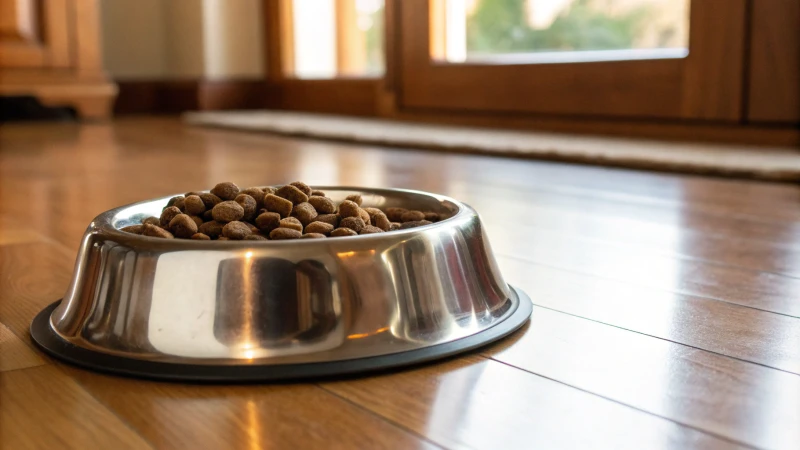
Non-Porous Nature: A Key Safety Feature
When I first got my dog, I remember being overwhelmed by the number of choices for something as simple as a dog bowl. But once I learned about the non-porous nature of stainless steel, it just made sense. The smooth surface doesn’t allow bacteria to cling on, unlike plastic bowls1 that can get all scratched up and nasty. I wanted to give my furry friend a clean and safe eating environment, and stainless steel was the answer.
No Chemical Leaching
There was this one time I accidentally served my dog’s hot food in a plastic bowl, and it got me worried about toxins. That’s when I appreciated stainless steel even more. It’s free from harmful chemicals like BPA, often lurking in plastic dog bowls2. So, I can serve warm meals without fretting about releasing any unwanted chemicals.
Durable and Long-Lasting
I can’t count how many times my dog’s bowl has been knocked over or dragged around the house. With stainless steel, I never have to worry about it cracking or chipping like those delicate ceramic ones. Whether indoors or out in the yard, these bowls hold up perfectly.
| Feature | Stainless Steel | Plastic | Ceramic |
|---|---|---|---|
| Durability | High | Medium | Low |
| Safety | No chemicals | Potentially | No chemicals |
| Maintenance | Easy | Moderate | Difficult |
| Bacteria Growth | Low | High | Medium |
Easy Maintenance
Cleaning is a breeze with stainless steel. I simply use hot water and soap, and it’s good as new. Regular cleaning keeps it free from residue, ensuring my dog’s health isn’t compromised.
Veterinary Endorsement
I’ve read that many veterinarians back up this choice due to its safety benefits. Knowing that professionals also recommend stainless steel gives me peace of mind. They don’t leach anything harmful into the food—it’s like getting a nod from the experts.
Considerations for Sensitive Dogs
However, I’ve also heard about some dogs having metal allergies. It’s always good to keep an eye out for any signs of irritation when switching to a new bowl. If there’s anything concerning, consulting with a vet about pet allergies3 would be wise to ensure your pup stays comfortable and safe.
Stainless steel dog bowls are non-porous.True
Their smooth surface prevents bacteria adherence, ensuring hygiene.
Plastic dog bowls are safer than stainless steel.False
Plastic can leach chemicals and harbor bacteria, unlike stainless steel.
How Do Stainless Steel Bowls Compare to Other Materials?
I remember the first time I held a stainless steel bowl in my hands; it felt like discovering a secret weapon in the kitchen arsenal.
Stainless steel bowls stand out for their durability, stain resistance, and safety, making them perfect for all types of food. They outperform glass in durability, are safer than plastic, and lighter than ceramic.
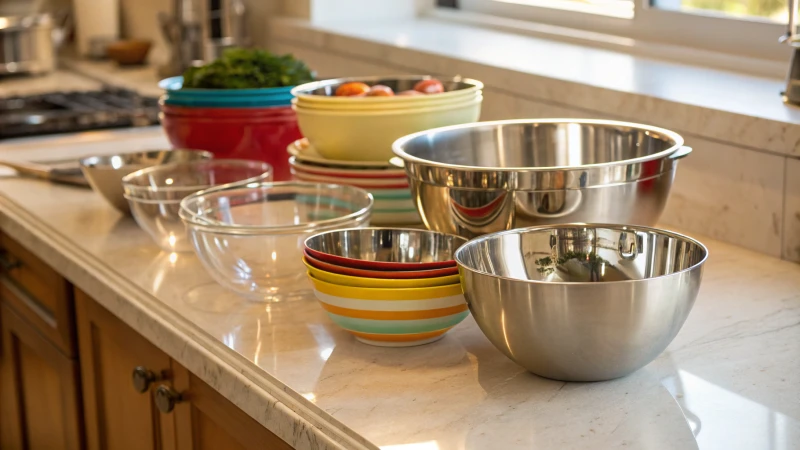
Durability and Longevity
I vividly recall the countless times I’ve dropped my stainless steel bowls while cooking in a rush. Unlike the heart-stopping moment when a glass bowl slips from your hands, only to shatter spectacularly on the floor, stainless steel simply bounces back, unfazed. It’s a kitchen warrior, standing the test of time without warping or cracking. Stainless steel bowls are renowned for their unmatched durability4.
Safety and Health Concerns
If you’re like me, concerned about what goes into your food, stainless steel bowls are a relief. They’re non-porous, so you don’t have to worry about them harboring bacteria like some plastics might. Plus, they don’t leach any chemicals into your food when exposed to heat. It’s peace of mind that’s hard to find with plastic alternatives.
| Material | Chemical Leaching | Bacterial Resistance | Durability |
|---|---|---|---|
| Stainless Steel | No | High | High |
| Plastic | Yes | Low | Medium |
| Glass | No | Medium | Low |
| Ceramic | No | High | Medium |
This property is particularly advantageous when comparing with plastic5, which can release harmful substances when exposed to heat.
Maintenance and Usability
Cleaning up after cooking can be a hassle, but not with stainless steel. Its sleek surface makes it a breeze to wash, even after the messiest cooking sessions. You can toss it into hot water without a second thought, unlike glass that demands gentle handling. This ease of maintenance is a godsend when you’re juggling a busy kitchen.
Maintenance is another area where stainless steel shines. The ease of maintenance enhances its appeal6 for busy kitchens.
Weight and Handling
I find stainless steel bowls to be just the right weight—light enough to maneuver easily but sturdy enough not to tip over during vigorous mixing. Unlike ceramic bowls that can tire your arms or glass bowls that make you tread carefully, stainless steel strikes a perfect balance.
While ceramic bowls can be quite heavy and glass bowls fragile, stainless steel offers a lightweight alternative that’s easy to handle.
Aesthetic and Design
Every time I step into my kitchen, the sleek shine of stainless steel catches my eye, lending a modern flair to my cooking space. While glass bowls let you see what’s inside and ceramic adds a splash of color, stainless steel offers a timeless elegance that complements any decor.
Aesthetic preferences also play a role in material choice. Ceramic designs7 offer a rustic or colorful touch that can add character to kitchen decor.
In conclusion, choosing the right material for your bowls boils down to personal preference and specific needs. But for me, stainless steel wins for its unmatched durability and effortless maintenance, making it a staple in both my home and professional kitchen settings.
Stainless steel bowls are more durable than glass bowls.True
Stainless steel is less prone to shattering compared to glass, enhancing durability.
Plastic bowls are more resistant to bacteria than stainless steel.False
Stainless steel's non-porous surface resists bacteria better than plastic.
Are There Any Risks Associated with Using Stainless Steel Bowls?
Ever wondered if those shiny stainless steel bowls in your kitchen are truly as safe as they seem? Let’s dive into the potential risks and how you can keep using them worry-free.
Stainless steel bowls are mostly safe, though potential risks include nickel allergies and corrosion from poor maintenance. Opting for high-quality, food-grade stainless steel minimizes these concerns.
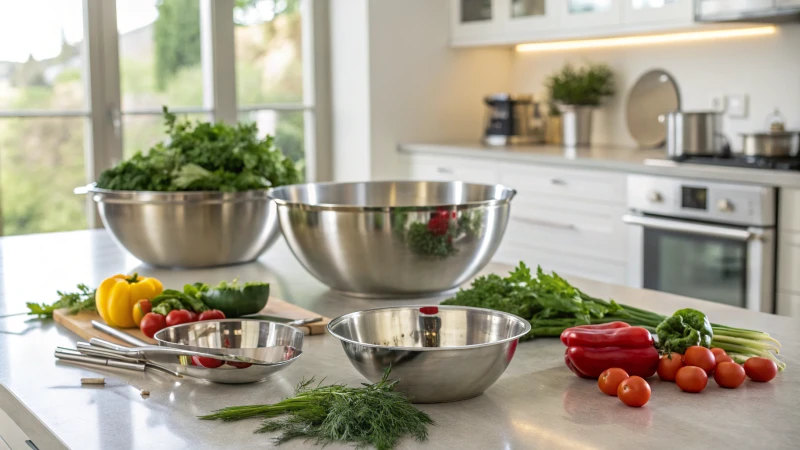
Understanding Stainless Steel Composition
I remember the first time I really thought about what stainless steel actually is. It was during a dinner party when someone casually mentioned their allergy to nickel, and I found myself wondering if my trusty kitchenware could be the culprit. Stainless steel, as it turns out, is an alloy made from iron, chromium, and nickel. The chromium keeps it rust-free, while nickel makes it strong. But that nickel—it’s not everyone’s friend.
Nickel Allergies: What You Should Know
Nickel allergies are more common than we might think. I once lent a friend one of my stainless steel bowls to take home some leftovers, only to hear later that she had a rash on her hands after washing it. If you’re like her and notice itching or rashes when handling nickel-rich items, it might be worth getting checked for a nickel allergy8. There are tests available that can help you know for sure.
Choosing the Right Grade
Not all stainless steel is created equal, something I discovered while browsing for new pet bowls for my dog. Food-grade 304 stainless steel is often recommended because it’s less likely to cause issues—low in nickel but high in peace of mind. Here’s a quick breakdown:
| Grade | Composition | Common Uses |
|---|---|---|
| 304 | 18% Chromium, 8% Nickel | Kitchenware, Pet Bowls |
| 316 | 16% Chromium, 10% Nickel | Medical Instruments |
Choosing the right grade helps prevent problems like metal leaching9 into your food.
Maintenance Matters
Keeping these bowls in tip-top shape isn’t too tricky, but it’s vital. Once, I made the mistake of leaving a bowl soaking in lemon juice overnight. Bad idea—it started to tarnish! Regular cleaning with mild detergent and steering clear of harsh chemicals can help avoid corrosion. And a tip from my kitchen: don’t pop them in the microwave; it’s a spark show waiting to happen.
Environmental Considerations
Stainless steel does get a green thumbs-up for being recyclable, which is great if you’re environmentally conscious like me. But let’s not forget its production does require energy and mining resources. Checking out the environmental impact of stainless steel10 can offer more insights if you’re looking to be eco-savvy.
In summary, while stainless steel bowls are mostly safe, a bit of diligence with material quality and maintenance can go a long way in keeping your kitchen and meals worry-free. Stay informed and enjoy peace of mind with each meal.
Stainless steel bowls are completely risk-free.False
Nickel allergies and improper maintenance pose potential risks.
Food-grade 304 stainless steel has low nickel content.True
304 stainless steel contains 8% nickel, making it safer for use.
How Can You Properly Maintain Stainless Steel Dog Bowls?
Ever wondered how to keep your dog’s stainless steel bowls spotless? Let me share what I’ve learned from my journey into pet care.
To keep stainless steel dog bowls in top condition, I clean them daily using mild soap and warm water. For tough stains, I rely on a baking soda paste. Drying them thoroughly prevents spots and bacterial growth.
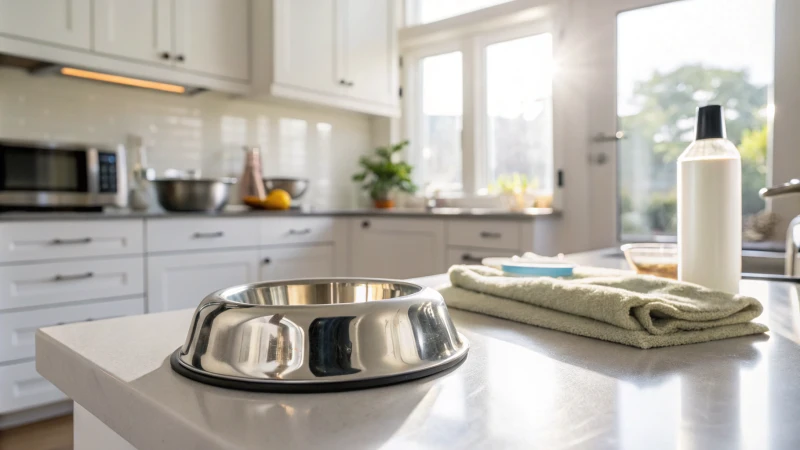
Why Choose Stainless Steel?
I’ve always opted for stainless steel when it comes to my dog’s bowls. It’s incredibly durable and rust-resistant, which means I don’t have to worry about replacing it anytime soon. Plus, unlike plastic, it doesn’t harbor bacteria or leach harmful chemicals, making it safe for serving both hot and cold meals.
Daily Cleaning Routine
Here’s my tried-and-true method for keeping the bowls clean:
- Step 1: Rinse the bowl with warm water to remove any leftover food particles.
- Step 2: Apply a dab of mild dish soap onto a sponge.
- Step 3: Gently scrub the bowl, paying extra attention to any sticky spots.
- Step 4: Rinse thoroughly to ensure all soap is gone.
- Step 5: Dry with a clean towel to keep water spots at bay.
Tackling Tough Stains
There are times when stains seem impossible to budge. That’s when I mix equal parts baking soda and water to form a paste:
- Apply this mixture directly to the stain and scrub gently.
- After that, rinse thoroughly and dry to bring back the bowl’s shine.
Using the Right Cleaning Products
I avoid harsh chemicals since they can damage the stainless steel. Instead, I opt for eco-friendly cleaners that are pet-safe. You might find these recommended products11 helpful too—they clean effectively without leaving residues.
Importance of Regular Maintenance
Keeping a cleaning schedule helps me ensure the bowls stay free from bacteria. Here’s a sample of how I track it:
| Date | Bowl Cleaned | Notes |
|---|---|---|
| 2023-11-01 | Yes | Used baking soda |
| 2023-11-02 | Yes | |
| 2023-11-03 | Yes | Added vinegar soak |
Additional Tips for Longevity
- Avoid placing stainless steel bowls in the dishwasher frequently as this can dull their finish over time.
- When used outdoors, bring them inside after feeding time to shield them from harsh weather conditions.
- Regularly inspect the bowls for scratches or damage as these can harbor bacteria buildup.
By following these steps, I make sure my dog’s bowls are clean, safe, and long-lasting. If you’re keen to learn more about maintaining pet accessories, our comprehensive guide12 might be just what you need.
Stainless steel dog bowls resist rust and bacteria.True
Stainless steel is durable and doesn't harbor bacteria, unlike plastic.
Dishwashers are ideal for cleaning stainless steel bowls.False
Frequent dishwasher use can dull the finish of stainless steel bowls.
Conclusion
Serving hot food in stainless steel dog bowls is safe due to their non-porous nature and resistance to chemical leaching, making them a healthier choice compared to plastic alternatives.
-
Discover why plastic bowls may not be the safest choice for your pet. ↩
-
Learn about the potential risks associated with chemicals in plastic bowls. ↩
-
Find out how to detect and manage allergies in your furry friend. ↩
-
Learn about the properties that make stainless steel exceptionally durable compared to other materials. ↩
-
Explore the risks associated with chemical leaching in plastics versus stainless steel safety. ↩
-
Understand why stainless steel is preferred for easy cleaning and maintenance in busy kitchens. ↩
-
Discover how ceramic designs add visual appeal and character to kitchen settings. ↩
-
Discover how to test for nickel allergies and ensure your stainless steel is safe. ↩
-
Understand the risks of metal leaching from cookware into food and how to prevent it. ↩
-
Explore the environmental footprint of stainless steel production and its recyclability. ↩
-
Find effective cleaning products that are safe for both your pet and their stainless steel bowls. ↩
-
Explore additional tips on how to maintain various pet accessories beyond just dog bowls. ↩